
Whole Home Versus Point Surge Protection

A lightning strike does not have to hit a house directly to damage electronics. A nearby strike, utility switching event, or large motor starting on the electrical system can send excess voltage through conductors in fractions of a second. The whole home versus point surge question matters because the protection installed at the main panel and the protection used at an individual outlet serve different roles.
For homeowners, the decision affects more than televisions and phone chargers. Modern homes rely on sensitive electronic controls in HVAC equipment, appliances, garage door openers, security systems, internet equipment, and smart devices. For commercial properties, a single surge event can affect controls, network hardware, point-of-sale equipment, refrigeration, and other systems that support daily operations. A properly planned surge protection strategy reduces exposure, but it must be matched to the building's electrical system, grounding condition, and equipment risk.
Whole Home Versus Point Surge: The Core Difference
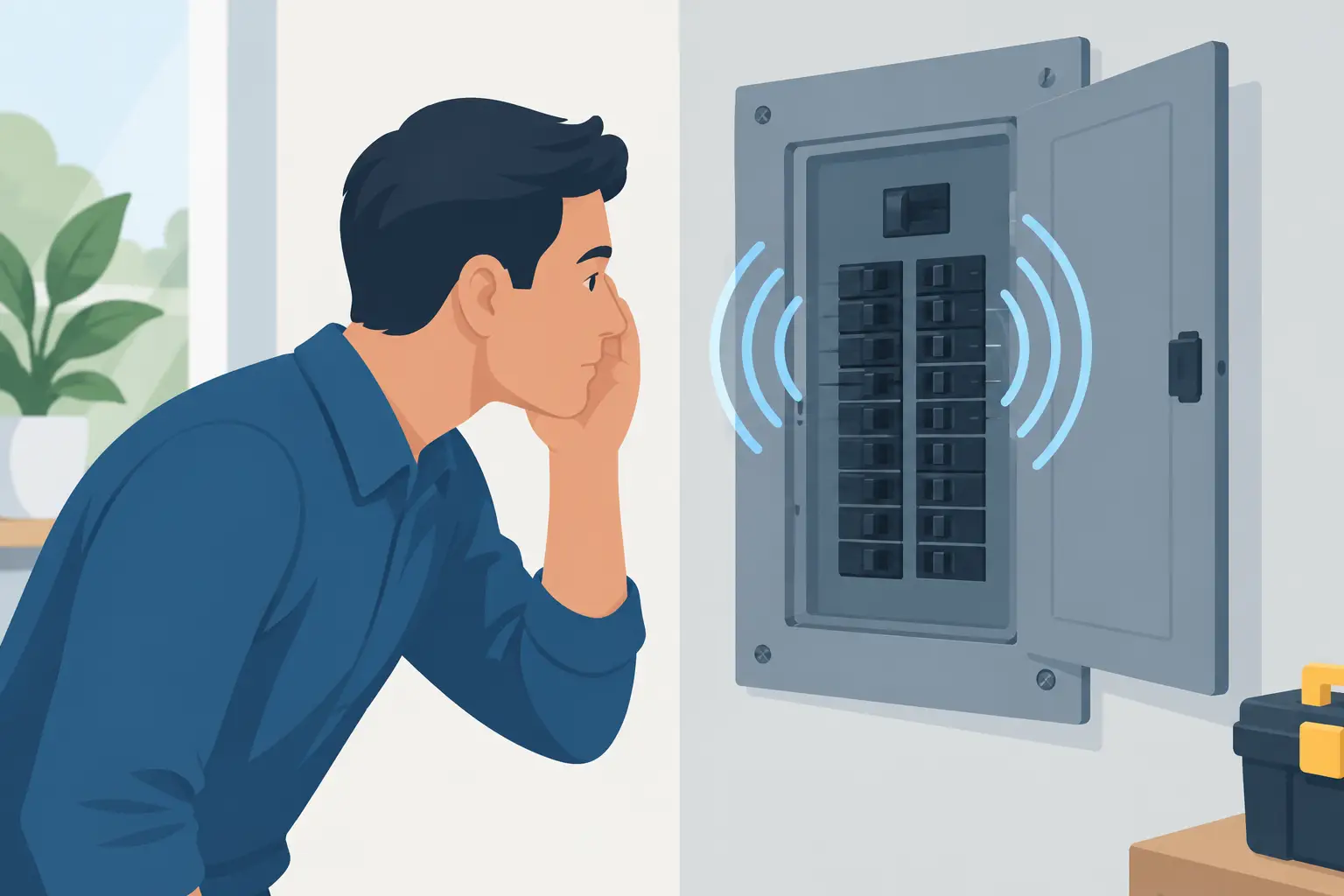
Whole-home surge protection is installed at or near the electrical service equipment, typically at the main panel. Its purpose is to intercept and redirect significant transient voltage before that energy travels farther into branch circuits. These devices are commonly identified as Type 1 or Type 2 surge protective devices, depending on their installation location and listing requirements.
Point-of-use surge protection is installed closer to the equipment being protected. It may be a listed plug-in surge protector, a receptacle-based device, or protection integrated into certain equipment. These are generally Type 3 devices. Their job is to provide an additional layer of protection for electronics that can be vulnerable to smaller surges remaining after the main protective device has done its work.
Neither approach makes the other unnecessary. A whole-home device protects the electrical system broadly, while point-of-use protection helps protect specific, sensitive loads at the end of a circuit. Treating a power strip as a substitute for panel-level protection leaves the building's wiring and hardwired equipment exposed. Treating a panel device as the only line of defense may leave high-value electronics without the closer protection they need.
What Whole-Home Surge Protection Covers
A whole-home surge protective device is designed to limit voltage transients entering through the service or developing within the building's electrical distribution system. It can help protect circuits serving appliances, lighting controls, electronics, HVAC components, well equipment, and other connected loads.
The word "whole" should be understood correctly. It does not mean that every device is guaranteed protection under every electrical event. No surge protector can make electronics invulnerable to a direct lightning strike, failed utility equipment, improper wiring, or a severe fault condition. It does mean the building has a primary defense at the point where electrical energy is distributed.
This protection is especially valuable because many costly components are hardwired and cannot be plugged into a standard surge strip. Modern heat pumps, air handlers, variable-speed motors, ranges, dryers, dishwashers, and connected appliances often contain electronic boards. Replacing one damaged control board can cost far more than properly installing a listed surge protective device during a panel upgrade or electrical service project.
For a business, panel-level protection also supports infrastructure stability. Equipment connected directly to dedicated circuits, including commercial HVAC systems, controls, pumps, and certain production equipment, may have no practical point-of-use protection option. The installation must be evaluated for the service configuration, available panel capacity, manufacturer instructions, and applicable electrical code requirements.
Installation quality determines performance
A surge protective device is not simply an accessory added to a panel. Its performance depends on correct installation, including conductor routing, lead length, overcurrent protection where required, bonding, grounding, and compatibility with the electrical equipment. Long or poorly routed conductors can reduce effectiveness during a fast transient event.
Grounding and bonding deserve particular attention. A surge protector redirects excess voltage, but it cannot correct a deficient grounding electrode system, loose neutral connection, damaged service equipment, or overloaded panel. Those conditions require diagnosis and repair. Installing a protective device without correcting underlying electrical defects creates a false sense of security.
Where Point-of-Use Protection Adds Value
Point-of-use protection is most useful for equipment with sensitive circuit boards or valuable data connections. A quality listed device can provide another stage of suppression near a desktop computer, television, network router, gaming system, home office setup, or similar equipment.
Not all power strips are surge protectors. Some are only extension devices that add outlets and provide no surge suppression at all. A suitable point-of-use device should be listed for surge protection and selected for the equipment and environment it will serve. It should also be replaced if its status indicator shows that protection has been lost or if the manufacturer specifies replacement after a major event.
For electronics connected to more than one pathway, power protection alone may not address every risk. A television, for example, may connect to electrical power, cable, antenna, network, or other low-voltage lines. Depending on the system, surge exposure can enter through those connections as well. A complete approach considers all conductive paths without creating unsafe or noncompliant installations.
Point-of-use protection also has limits. It cannot protect hardwired loads throughout the building, and it does not replace a properly grounded electrical system. It should never be used to compensate for damaged receptacles, loose plugs, frequently tripping breakers, flickering lights, or signs of overheating. Those are service concerns that require qualified electrical diagnosis.
When One Layer May Be Enough
There are situations where panel-level protection is the priority and point-of-use devices can be selective. A homeowner may install whole-home protection during a service upgrade, then add quality devices only at a home office, entertainment center, and network equipment. This is a sensible approach when the goal is broad protection without placing surge strips at every outlet.
Conversely, a renter who cannot alter service equipment may rely on point-of-use protection for personal electronics. That is better than using unprotected outlet extenders, but it does not protect the building, its hardwired systems, or every appliance. Property owners should consider panel-level protection as part of a broader electrical safety plan.
The right balance depends on the property's electrical layout, equipment value, local utility conditions, exposure to storms, and the age and condition of the service equipment. In North Alabama, storm activity makes surge planning a practical consideration, but weather is not the only source of transient voltage. Surges can also result from utility switching and equipment cycling inside the property.
Code, Listing, and Electrical System Readiness
Surge protection requirements have expanded in recent editions of the National Electrical Code, particularly for dwelling unit services. Local adoption and enforcement can vary, so property owners should not assume a single rule applies to every existing building or project. A licensed electrician can identify the code requirements that apply to the work being performed and document the selected installation.
Device selection should begin with listed equipment appropriate for the service. Ratings matter, but a larger number on a package is not the only measure of protection. The device must be compatible with the voltage system, service configuration, panelboard, and installation method. The manufacturer's instructions and listing are part of the installation requirements.
Before adding protection, it is wise to assess the condition of the panel, breakers, grounding electrode system, and visible wiring. Corrosion, overcrowded equipment, obsolete panels, damaged conductors, and neutral or grounding defects can change the scope of work. Surge protection works best as part of an electrical system that is safe, properly bonded, and maintained to current standards.
A Practical Protection Plan
For most owner-occupied homes, start with a listed whole-home surge protective device installed at the service equipment by a licensed electrical contractor. Then identify electronics and systems that would create the greatest cost or disruption if they failed, and add point-of-use protection where it provides a clear benefit.
For commercial facilities, begin with a documented review of electrical distribution and critical loads. Consider the main service, subpanels, sensitive control systems, network equipment, and circuits supporting operationally critical equipment. Larger or more complex facilities may benefit from a coordinated approach with protection at more than one level of the distribution system.
M&S Electric evaluates surge protection as part of the complete electrical infrastructure, not as a stand-alone add-on. A code-focused assessment can confirm whether the panel, grounding, bonding, and protective device installation support the level of reliability the property requires.
If your property has experienced unexplained equipment failures, repeated loss of electronic controls after storms, or concerns about an aging panel, schedule an electrical evaluation before the next event tests the system. The best time to establish protection is while the equipment is operating normally and installation decisions can be made with care.


Comments