
How to Choose a Surge Protector for Safer Power

A power strip with multiple outlets is not automatically a surge protector. That distinction matters when the equipment plugged into it includes a television, computer, networking hardware, smart appliances, medical-support devices, or point-of-sale systems. When people ask how to choose surge protector equipment, the right answer starts with the electrical system it will protect, not the number of outlets on the package.
A surge protector, more accurately called a surge protective device or SPD, is designed to limit damaging voltage spikes. Those spikes can come from utility switching, nearby lightning activity, large motors cycling on and off, or disturbances inside the building. It cannot make every electrical event harmless, and it cannot correct unsafe wiring. Used correctly, however, it is an essential layer in a broader electrical protection plan.
Start With the Protection Level You Need
The most effective setup is usually not a choice between a whole-home device and plug-in protectors. It is a coordinated approach. A panel-mounted SPD reduces larger surges entering or moving through the electrical system, while point-of-use protectors provide added protection at sensitive equipment.
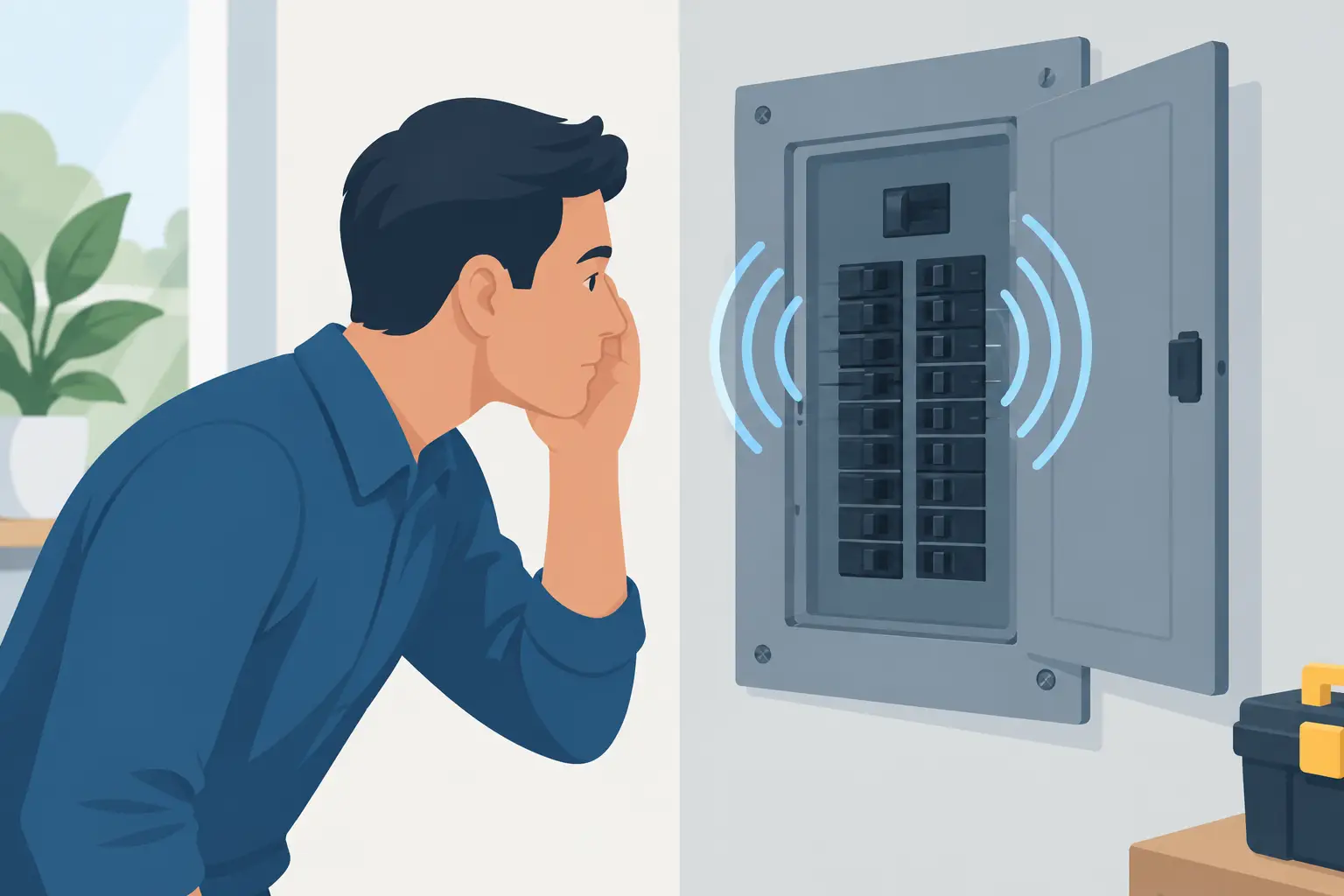
For a home, a whole-home SPD installed at the main electrical panel is the first line of defense. This is especially worthwhile for properties with HVAC equipment, well pumps, electric ranges, garage-door systems, smart controls, and connected appliances. It also protects hardwired equipment that cannot plug into a power strip.
A plug-in surge protector is appropriate at locations where electronics need local protection, such as a home office, entertainment center, router location, or charging station. It is not a replacement for panel-level protection. Its effectiveness is limited by the length and condition of the branch circuit between it and the source of a surge.
For commercial properties, the protection plan may need additional layers. Facilities with servers, controls, refrigeration equipment, security systems, point-of-sale terminals, or sensitive production equipment often benefit from service-entrance protection, distribution-panel protection, and protection at critical equipment. The right design depends on downtime risk, equipment value, and the building's electrical layout.
How to Choose a Surge Protector by Its Safety Listing
Do not purchase an unlisted device simply because it advertises a high joule rating or a low price. Look for a current UL 1449 listing. UL 1449 is the primary safety standard for surge protective devices in the United States, and the listing confirms that the device has been evaluated for its intended function.
For plug-in units, confirm that the product is identified as a surge protective device, not merely a relocatable power tap. A basic power strip adds outlets but may provide no surge suppression at all. The label, packaging, or product markings should clearly state its UL listing and electrical ratings.
Panel-mounted devices are commonly classified by type. Type 1 SPDs are intended for installation on the line side of the service disconnect or on the load side. Type 2 SPDs are installed on the load side of the service disconnect and are a common choice for residential and commercial panels. Type 3 devices are point-of-use protectors, including many plug-in strips and receptacle-style devices.
The National Electrical Code includes requirements for surge protection at dwelling unit services in newer code editions, but code adoption and local enforcement can vary. A licensed electrician can verify what applies to a specific property and determine whether the panel has the capacity and configuration for a compliant installation.
Compare the Ratings That Actually Matter
Joule ratings receive the most attention because they are easy to market. A joule rating indicates how much surge energy a device may absorb under test conditions. Higher ratings can be useful when comparing similar products, particularly for valuable electronics, but joules alone do not establish overall performance or safety.
Look at voltage protection rating, often shown as VPR. In general, a lower VPR means the device allows less voltage through to connected equipment during standardized testing. Compare VPR only among devices of the same type and intended application. A panel SPD and a plug-in protector serve different positions in the protection system.
Maximum continuous operating voltage, or MCOV, is another essential specification. It indicates the highest voltage the device can withstand continuously without operating. The MCOV must match the electrical system. A device selected for a standard 120/240-volt residential service will differ from equipment intended for commercial three-phase systems.
For panel-mounted equipment, examine surge current capacity, commonly expressed in kiloamps, along with the device's short-circuit current rating. These values must be compatible with the panel and available fault current. This is not a specification to guess at. Improper selection or installation can create a safety issue rather than solve one.
A quality device should also include thermal protection and a clear status indicator. Metal oxide varistors, the components used in many SPDs, wear down as they absorb surges. A visible indicator helps identify when protection is no longer active. Some panel devices can provide remote monitoring contacts, which can be valuable for commercial facilities and critical systems.
Match the Device to the Equipment and Load
A surge protector cannot safely increase the capacity of an outlet or circuit. Before plugging in equipment, check the strip's amperage and wattage limits. Most standard plug-in units are rated for 15 amps, but that does not mean every connected device can operate at full load continuously.
Avoid using plug-in surge protectors for high-demand appliances such as space heaters, portable air conditioners, microwaves, refrigerators, freezers, washing machines, dryers, or sump pumps unless the manufacturer specifically permits that use. These loads are generally better served by properly installed dedicated circuits. A surge strip is not a substitute for correcting an overloaded circuit.
For a workstation, calculate the likely load of the computer, monitors, docking station, printer, and chargers. For an entertainment center, account for the television, receiver, game console, streaming device, and powered speakers. Leave reasonable capacity rather than operating a strip at its limit.
Select enough outlets for the equipment you actually need, but do not treat extra outlets as an invitation to overload the circuit. Features such as spaced outlets, a flat plug, USB charging ports, coaxial protection, or Ethernet protection can be useful in specific locations. They should not take priority over listing, ratings, and appropriate use.
Confirm That the Electrical System Supports Protection
Surge protection performs best when the building has a sound grounding and bonding system. Grounding does not eliminate surges, but it provides a controlled path that allows protective devices to operate as designed. A missing equipment ground, loose neutral, deteriorated panel connection, or improper bonding condition can reduce protection and create broader electrical hazards.
If outlets test as ungrounded, breakers trip unexpectedly, lights flicker, or equipment resets when large appliances start, do not rely on a surge protector as the repair. Those symptoms call for electrical diagnosis. The underlying issue may involve a branch circuit, service connection, panel component, or load imbalance.
Do not daisy-chain power strips or extension cords. Keep plug-in protectors accessible so the status light can be checked, and replace any device that is damaged, discolored, warm during normal use, or no longer indicates protection. After a major nearby lightning event or a known electrical incident, inspect the device and follow its manufacturer replacement guidance.
When a Licensed Electrician Should Be Involved
A whole-home SPD should be installed by a qualified electrical professional. Placement, breaker selection, conductor length, panel condition, grounding, and manufacturer instructions all affect performance. Short, properly routed conductors are particularly important because excess lead length can reduce how effectively a panel-mounted device limits surge voltage.
Professional evaluation is also appropriate when a property has an older panel, recurring equipment failures, a generator or solar installation, detached structures, or commercial systems with sensitive controls. In North Alabama, M&S Electric can assess the service equipment, verify code considerations, and install surge protection as part of a documented electrical safety plan.
The best surge protector is the one matched to a safe, properly maintained electrical system and the equipment that depends on it. Start with verified protection at the panel, add listed point-of-use devices where electronics are concentrated, and treat warning signs in the electrical system as a reason to investigate rather than an inconvenience to cover up.


Comments