
Electrical Hazards in Older Homes: 8 Warning Signs

A home can look solid, well maintained, and structurally sound while its electrical system is operating far beyond the conditions it was designed to handle. Electrical hazards in older homes are often concealed behind finished walls, inside aging panels, or at outlets that appear normal until a heavy load exposes a failure. For homeowners and property owners, the risk is not simply inconvenience. It can include shock exposure, equipment damage, electrical fire, failed inspections, and costly emergency repairs.
Age alone does not make a house unsafe. A properly maintained 1950s home with documented upgrades may be in better electrical condition than a newer property altered through unpermitted work. The concern is whether the system has the capacity, grounding, protective devices, and workmanship required for how the building is used now.
Why older electrical systems face greater risk
Many older homes were wired before central air conditioning, high-demand kitchen appliances, home offices, electric vehicle chargers, large televisions, and modern electronics became standard. A service that once carried lighting, a refrigerator, and a few small appliances may now be asked to support substantially more continuous demand.
That mismatch can create heat at undersized conductors, overloaded circuits, loose connections, and aging equipment. Electrical safety is not determined by whether lights turn on. It is determined by whether current can move through a properly sized, properly terminated, grounded, and protected system without creating dangerous heat or fault conditions.
Previous modifications also matter. Decades of renovations can leave a home with mixed wiring methods, abandoned conductors, overloaded additions, and panels that no longer clearly match the circuits they serve. Without a professional inspection and accurate documentation, hidden defects may remain undiscovered until they become a service failure.
Common electrical hazards in older homes
Outdated or damaged wiring insulation
Cloth-covered wiring, brittle rubber insulation, and deteriorated plastic insulation can crack or break down over time. Once conductor insulation is compromised, energized metal may be exposed inside walls, ceilings, junction boxes, or fixtures. Rodent damage, moisture, heat, and past repairs can accelerate the problem.
Knob-and-tube wiring deserves particular attention. This early wiring method was designed for open-air installation and may not perform safely when surrounded by insulation or altered during renovations. It also lacks the equipment grounding conductor expected for many modern appliances and electronic devices. The appropriate response depends on its condition, location, loading, and whether it has been modified, but it should be evaluated by a licensed electrician rather than assumed safe because it still functions.
Ungrounded outlets and improper grounding
Two-slot outlets are a visible sign that a circuit may not include an equipment grounding path. Grounding helps direct fault current safely and supports the proper operation of protective devices. It does not prevent every shock, but its absence increases risk when a fault occurs in a metal-cased appliance or damaged cord.
Replacing a two-slot receptacle with a three-slot outlet does not create a ground. In some situations, code-compliant GFCI protection and proper labeling may be an acceptable solution where a new grounding conductor is not practical. In other cases, rewiring is the better long-term correction. The right choice depends on the circuit and intended use, not on making the outlet look modern.
Overloaded circuits and extension-cord dependence
Frequent use of power strips and extension cords can signal that a home does not have enough circuits or receptacles for current demand. A temporary cord used appropriately is one thing. Permanent dependence on cords running under rugs, through doorways, or across walking paths is another.
Older kitchens, bedrooms, garages, and living areas often lack the dedicated circuits now expected for high-demand equipment. Space heaters, window air conditioners, microwaves, hair dryers, portable tools, and entertainment systems can overload circuits that were never designed for them. Repeated breaker trips are a warning, not a nuisance to work around.
Aging panels, fuse boxes, and improper overcurrent protection
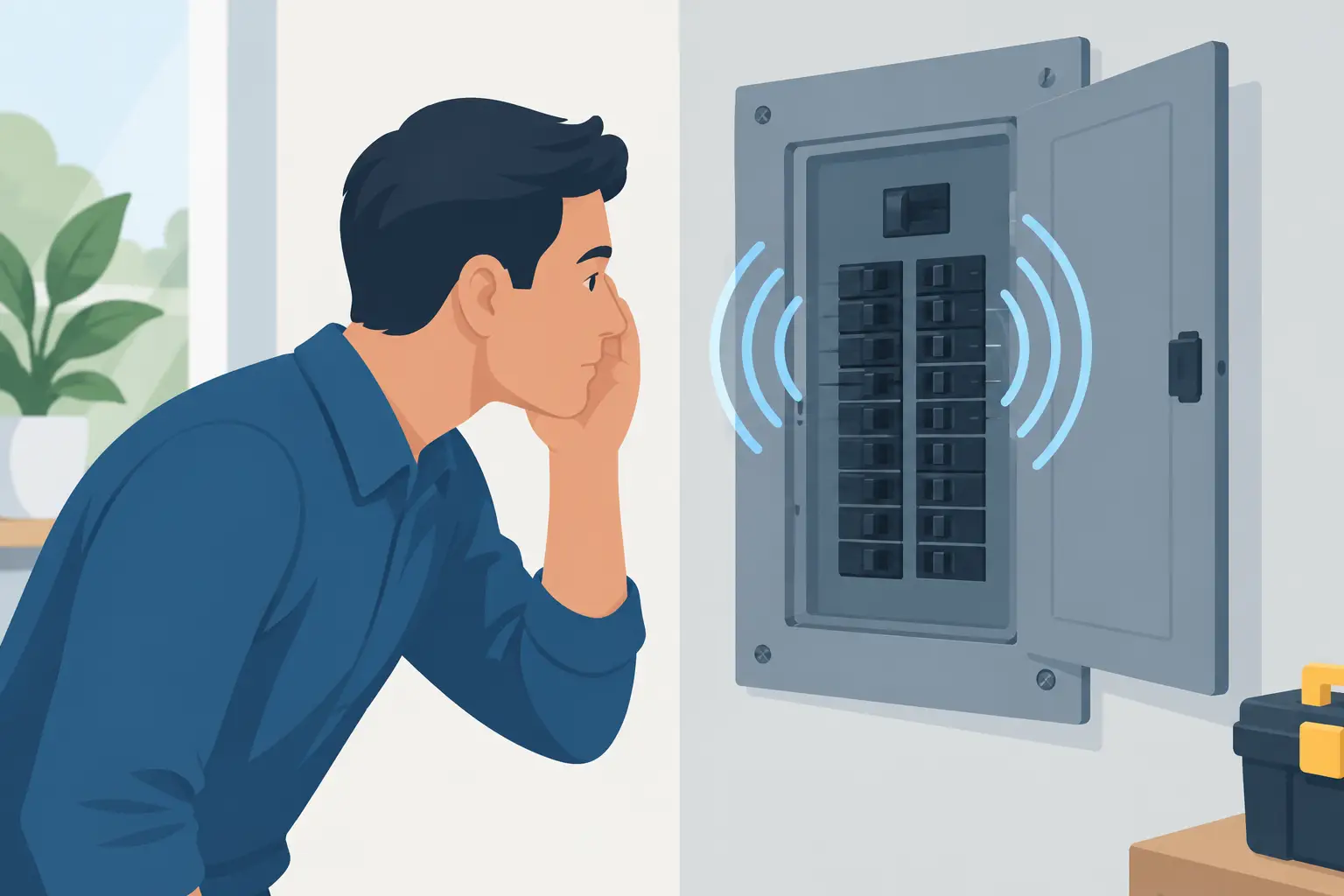
An electrical panel is the control center for a building's power distribution. Older fuse boxes and obsolete or damaged breaker panels may have limited capacity, worn components, corrosion, poor labeling, or unsafe modifications. A panel can also be technically energized yet unsuitable for the electrical demand of the property.
Never install a larger fuse or breaker simply to stop a circuit from tripping. Overcurrent protection must match the conductor size and circuit design. Oversizing that protection can allow wiring to overheat before the device interrupts the current. If a breaker trips repeatedly, the cause needs diagnosis - it may be overload, a loose connection, a damaged appliance, a short circuit, or another fault condition.
Missing GFCI and AFCI protection
Ground-fault circuit interrupter protection is designed to reduce shock risk where electricity and moisture may meet, including bathrooms, kitchens, garages, crawl spaces, laundry areas, and outdoor locations. Arc-fault circuit interrupter protection addresses certain arcing conditions that can occur from damaged conductors, loose connections, or compromised cords.
Requirements have evolved over time, and older homes are not automatically required to be rebuilt to every current-code provision without a triggering renovation or alteration. Still, grandfathered does not mean risk-free. A licensed electrician can identify practical upgrades that improve protection while accounting for the home's wiring method, panel capacity, and applicable local requirements.
Loose connections and deteriorated devices
Electricity generates heat when it meets resistance. Loose terminals, worn receptacles, damaged switches, corroded connections, and improperly installed splices can all create resistance and heat buildup. These issues may develop slowly and remain hidden until discoloration, odor, flickering, or device failure appears.
Aluminum branch-circuit wiring, found in some homes built or renovated during certain periods, requires particular care. Aluminum expands and contracts differently than copper and requires approved connectors, devices, and installation methods. It should not be treated as a simple do-it-yourself replacement project.
Warning signs that require prompt attention
A single symptom does not always identify the cause, but these conditions justify professional diagnosis:
Breakers that trip repeatedly or fuses that blow more than once.
Flickering, dimming, or brightening lights when appliances start.
Warm, buzzing, loose, cracked, or discolored outlets and switches.
A burning odor, scorch marks, sparking, or a panel that feels unusually warm.
Mild shocks or tingling from appliances, fixtures, or metal surfaces.
Circuits with no clear label, multiple rooms on one breaker, or unexplained loss of power.
If there is smoke, active sparking, a burning smell that persists, water intrusion at electrical equipment, or a fallen service line, treat it as an urgent hazard. Move people away from the area when safe to do so, avoid touching affected equipment, and request emergency electrical service. Do not attempt to open the panel or handle damaged wiring.
What a professional safety inspection should evaluate
A meaningful electrical inspection goes beyond counting outlets. It should verify service capacity, panel condition, breaker sizing, conductor types, grounding and bonding, visible wiring condition, circuit loading, GFCI and AFCI protection, and signs of overheating or unauthorized work. The electrician should also assess whether renovations, additions, workshop equipment, HVAC upgrades, or planned appliances require new dedicated circuits or a service upgrade.
Documentation matters. A clear panel schedule, identified circuit issues, recommended corrections, and a defined scope of work give owners a practical plan rather than a vague warning. This is especially valuable before buying an older property, completing a major remodel, converting a garage, adding high-efficiency equipment, or preparing a building for inspection.
Upgrade priorities should follow risk, not appearance
Not every older home requires a full rewire at once. The highest-priority work is generally the work that addresses immediate fire or shock exposure: damaged wiring, overheating connections, missing protection in wet areas, unsafe panels, defective grounding, and overloaded circuits. Capacity upgrades may follow when the existing service cannot safely support HVAC equipment, kitchen loads, workshop tools, or future electrical additions.
A phased plan can be appropriate when the system is stable but dated. For example, an owner may first correct hazardous panel conditions and add GFCI protection, then upgrade kitchen circuits during a remodel, and later address remaining ungrounded branch circuits. The plan must still be based on code requirements and actual field conditions, not assumptions about what is behind the walls.
For homeowners and property managers in the Tennessee Valley, M&S Electric provides licensed, NEC-based inspections, diagnostics, repairs, and upgrade planning with Alabama License AL #09426. Electrical work should provide more than restored power. It should establish documented safety, dependable performance, and a system that can support how the property is used now.
The most useful next step is not waiting for a breaker failure or a burning smell. Schedule a qualified evaluation when an older home's electrical history is unclear, its power needs have changed, or any warning sign begins to appear.


Comments