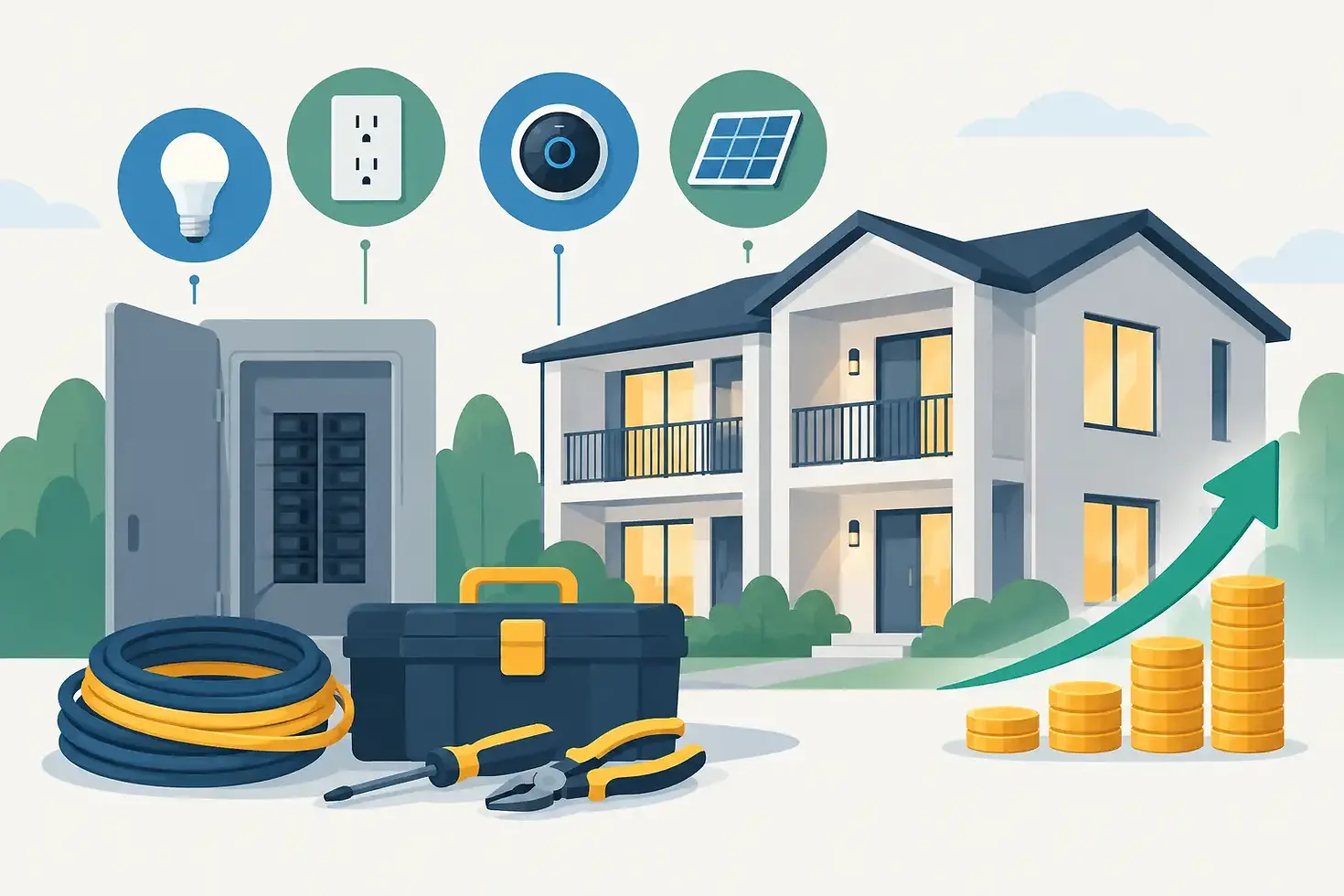
Best Electrical Upgrades for Rentals That Pay Off

A rental can look updated while its electrical system remains underbuilt for modern loads. Tenants now arrive with high-wattage kitchen appliances, home-office equipment, multiple streaming devices, and more chargers than older wiring systems were designed to support. The best electrical upgrades for rentals address that gap with safety, code compliance, and durable operating performance - not cosmetic shortcuts.
For landlords and property managers, the right upgrade reduces emergency calls, protects the building, supports inspections, and makes turnover repairs more predictable. The wrong upgrade can create a patchwork system that appears functional until a circuit fails, a breaker trips repeatedly, or an inspection exposes unsafe work.
Start With an Electrical Safety Assessment
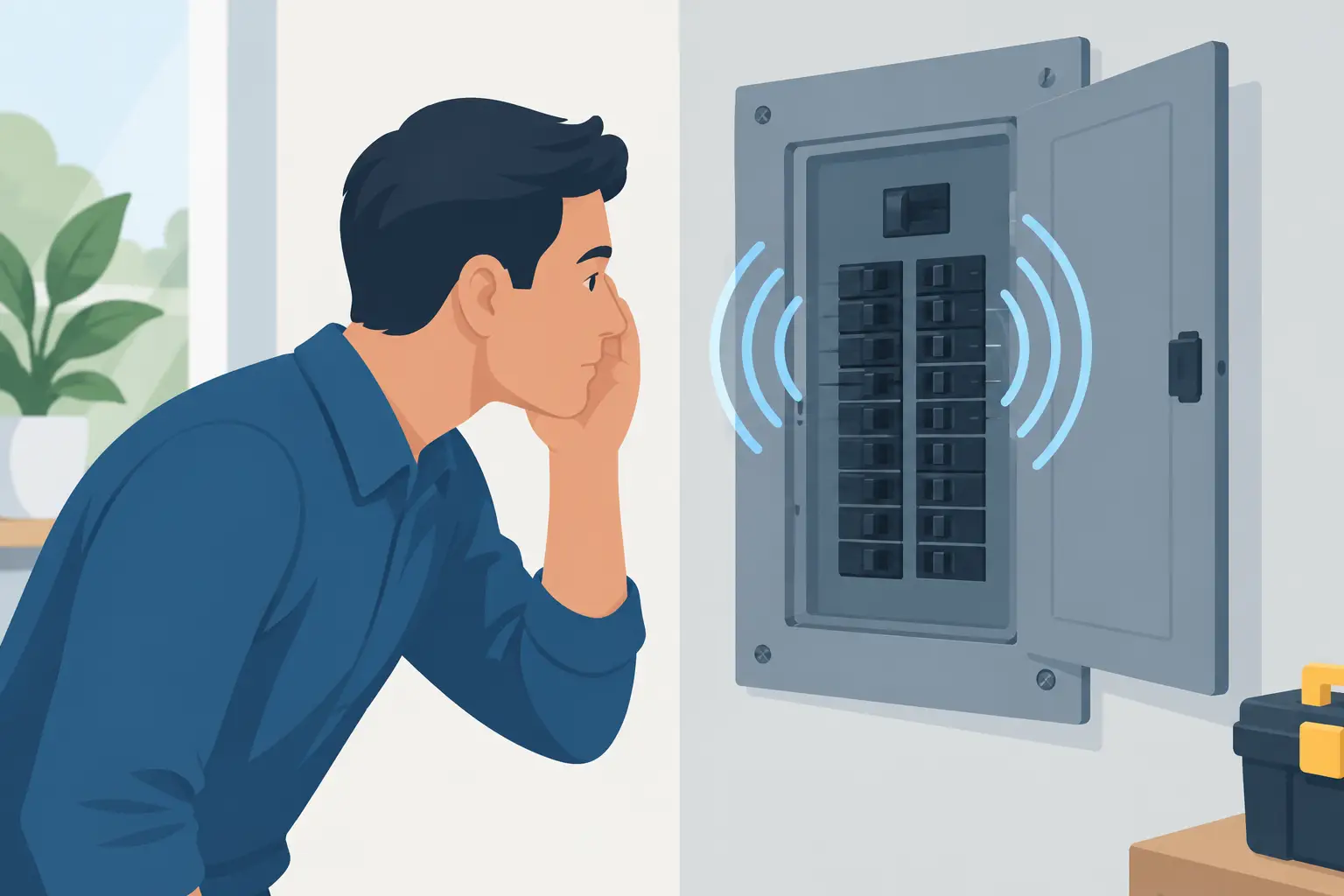
Before selecting equipment, establish the condition and capacity of the existing system. A licensed electrician should inspect the service equipment, panel labeling, branch-circuit wiring, grounding and bonding, receptacles, switches, visible junction boxes, and signs of heat damage or improper alterations.
This assessment matters most in older rental homes, properties that have changed ownership several times, and units where tenants have reported flickering lights, warm outlets, tripped breakers, shocks, or loss of power. These are operating warnings, not routine inconveniences.
A proper assessment also identifies whether the property has sufficient electrical capacity for planned improvements. Adding a new appliance circuit or electric vehicle outlet without verifying panel load can overload an already constrained service. Documentation of findings, recommended corrections, and completed work gives owners a clearer maintenance record and supports responsible property management.
Best Electrical Upgrades for Rentals: Safety First
The highest-value upgrades generally protect against the failures most likely to cause injury, fire risk, property damage, or tenant disruption. Priorities vary by building age, condition, and local enforcement requirements, but several upgrades consistently deserve attention.
Upgrade outdated service panels and breakers
A service panel is the control center for the rental property. If it is obsolete, damaged, poorly labeled, crowded with double-tapped breakers, or lacking capacity for present-day loads, a panel upgrade may be the most consequential investment an owner can make.
Modern panels provide room for properly installed circuits, clearer labeling, and safer breaker protection. They also prepare the property for future needs such as electric ranges, heat pumps, additional kitchen equipment, garage power, or EV charging. Not every older panel requires replacement, but any decision should be based on a field evaluation rather than appearance alone.
Panel work requires disciplined execution. The contractor must calculate loads, size conductors and overcurrent protection correctly, coordinate permits where required, and verify grounding and bonding. A larger panel does not solve unsafe branch wiring by itself, but it can provide the stable foundation that a rental property needs.
Add GFCI protection where shock risk is present
Ground-fault circuit interrupter protection is designed to disconnect power quickly when it detects current traveling along an unintended path. In rental housing, this protection is particularly relevant in locations exposed to water or damp conditions, including bathrooms, kitchens, laundry areas, garages, exterior outlets, crawl spaces, and other locations defined by the adopted electrical code.
A GFCI upgrade can be completed through properly selected receptacles or circuit breakers, depending on the circuit layout and the protection required. The details matter. A device placed in the wrong location may fail to protect downstream outlets, while an incorrectly wired device can create nuisance tripping or leave the intended outlet unprotected.
For owners, the benefit is straightforward: better shock protection and a clear, testable safety feature for occupants. GFCIs should also be tested periodically according to manufacturer instructions, especially between tenancies.
Evaluate AFCI protection for living areas
Arc-fault circuit interrupter protection is intended to detect certain hazardous arcing conditions that standard breakers may not identify. Arcing can occur from damaged cords, deteriorated wiring, loose connections, or other faults that generate heat inside walls and at connections.
AFCI requirements depend on the code edition adopted by the local authority and the scope of the work being performed. A licensed electrician can determine where AFCI protection is required for an alteration, panel replacement, or new circuit installation. Even where a full retrofit is not required, it may be a practical improvement when updating aging circuits or addressing recurring breaker problems.
AFCIs are not a substitute for correcting defective wiring. If a breaker trips, the correct response is diagnosis. Replacing a breaker or repeatedly resetting it without locating the fault can leave a serious issue unresolved.
Install hardwired, interconnected smoke and carbon monoxide alarms
Life-safety alarms deserve the same attention as panel equipment. Hardwired, interconnected smoke alarms provide a stronger protection strategy than isolated battery-operated devices because activation in one required alarm location can alert occupants throughout the dwelling.
Carbon monoxide alarm requirements depend on the building configuration, fuel-burning appliances, attached garages, and applicable local rules. Owners should verify placement, power source, interconnection, and replacement age during renovation or turnover work. Electrical work associated with alarm systems should be performed to the applicable code and manufacturer requirements.
Improve Daily Reliability With Dedicated Circuits
Many rental service calls come from circuits that are asked to carry more than they were designed to handle. Kitchen countertop circuits, laundry equipment, bathroom receptacles, garage tools, window air conditioners, and home-office setups can all create overload conditions when they share inadequate wiring.
Dedicated circuits separate major loads and reduce nuisance tripping. A laundry area may need properly sized circuits for the washer and dryer. A microwave, dishwasher, disposal, refrigerator, range, or HVAC equipment may have its own circuit requirements based on the equipment rating and installation instructions. The correct design depends on the actual appliances installed, not assumptions about what a typical rental might contain.
For smaller properties, this work can often be phased. Correct the highest-demand and highest-risk circuits first, then plan capacity improvements during larger renovations. That approach is usually more cost-controlled than waiting for multiple failures to force emergency repairs.
Upgrade Receptacles, Switches, and Exterior Power
Worn receptacles are easy to overlook because they are inexpensive components. Yet loose outlets, cracked faceplates, scorched devices, reversed polarity, missing grounding, and unreliable switches can point to deeper installation problems. Replacing visibly worn devices is worthwhile, but a competent electrician should investigate any sign of heat, repeated failure, or weak plug retention.
Tamper-resistant receptacles are a sensible safety improvement in dwelling units, particularly where children may occupy the property. USB charging receptacles can also be useful in selected locations, but they should not replace needed standard outlets or become an excuse to overload a circuit with permanent charging equipment.
Exterior receptacles and lighting require special attention. Weather-resistant devices, in-use covers where applicable, sound mounting methods, and GFCI protection help protect equipment from moisture and physical damage. Reliable exterior lighting at entries, walkways, parking areas, and stairs also improves tenant safety and helps reduce avoidable liability exposure.
Consider Energy and Marketability Upgrades Carefully
Not every electrical upgrade is primarily a code correction. Some improvements can make a rental more competitive or reduce operating costs, provided the underlying system is ready for them.
LED lighting is often a practical choice for common areas, kitchens, bathrooms, and exterior fixtures because it lowers energy use and reduces replacement frequency. Good fixture selection matters. Choose rated equipment suitable for damp or wet locations where needed, and avoid enclosing incompatible LED lamps in fixtures that trap heat.
EV charging readiness can add value in certain rental markets, especially for single-family homes with garages or assigned parking. It is not automatically the next priority for every property. A load calculation, service capacity review, parking arrangement, tenant billing plan, and future maintenance responsibility should be resolved before installation.
Smart switches, occupancy sensors, and programmable controls can be useful in common areas or owner-controlled spaces. In tenant-controlled living areas, keep the system practical. Complex controls often create service calls when a new occupant cannot understand how the lighting or HVAC accessories operate.
Avoid Upgrades That Only Hide the Problem
Rental properties sometimes accumulate unpermitted additions, extension-cord dependence, oversized breakers, improvised subpanels, and disconnected safety devices. These are not cost-saving measures. They increase liability and can turn a manageable repair into a fire, shock, or inspection failure.
Never increase breaker size simply because a circuit trips. Breakers protect conductors. Installing a larger breaker on undersized wiring can allow the wiring to overheat before the breaker opens. Similarly, do not rely on power strips as a permanent answer to insufficient receptacles or missing dedicated circuits.
For properties in Florence, Muscle Shoals, Sheffield, Tuscumbia, Athens, Decatur, and nearby North Alabama communities, local permitting and inspection expectations can affect the scope and timing of work. M&S Electric performs licensed, NEC-based evaluations and upgrades with documentation that helps owners make defensible decisions about safety and compliance.
Before the next turnover, treat the electrical system as a core property asset rather than a repair item to address only after failure. A documented inspection and prioritized upgrade plan can protect tenants now while giving the owner a practical path toward long-term electrical stability.


Comments