
When Commercial Panel Upgrades Are Necessary

A commercial electrical panel rarely fails without warning. Breakers that trip during normal operations, added equipment that strains existing circuits, warm panel covers, flickering lighting, or a failed inspection are all signs that the system may no longer support the building it serves. Commercial panel upgrades address the source of that risk by bringing electrical distribution capacity, protection, and documentation in line with actual operating demands.
For a business, this is not simply an equipment replacement. The panel is the control point for power throughout the facility. Its condition affects employee safety, tenant operations, equipment reliability, insurance exposure, inspection results, and the ability to expand without creating unsafe workarounds.
What a Commercial Panel Upgrade Actually Includes
A commercial panel upgrade may involve replacing an undersized or obsolete panelboard, installing a higher-amperage service, adding distribution equipment, replacing breakers, correcting grounding and bonding, or separating critical loads onto dedicated circuits. The appropriate scope depends on the building's service capacity, load profile, equipment requirements, and applicable code requirements.
A panel with empty breaker spaces is not automatically capable of supporting more load. Physical space and electrical capacity are different issues. A licensed electrician must evaluate the service, feeder conductors, panel rating, overcurrent protection, and calculated load before determining whether new equipment can be added safely.
In some facilities, the existing panel remains serviceable and an additional panel or subpanel is the practical solution. In others, the main service equipment is outdated, damaged, improperly modified, or too limited for current operations. Replacing only the panel in those cases may not resolve the underlying constraint. Precision planning prevents a partial upgrade from becoming an expensive temporary fix.
Signs Your Facility Needs a Panel Review
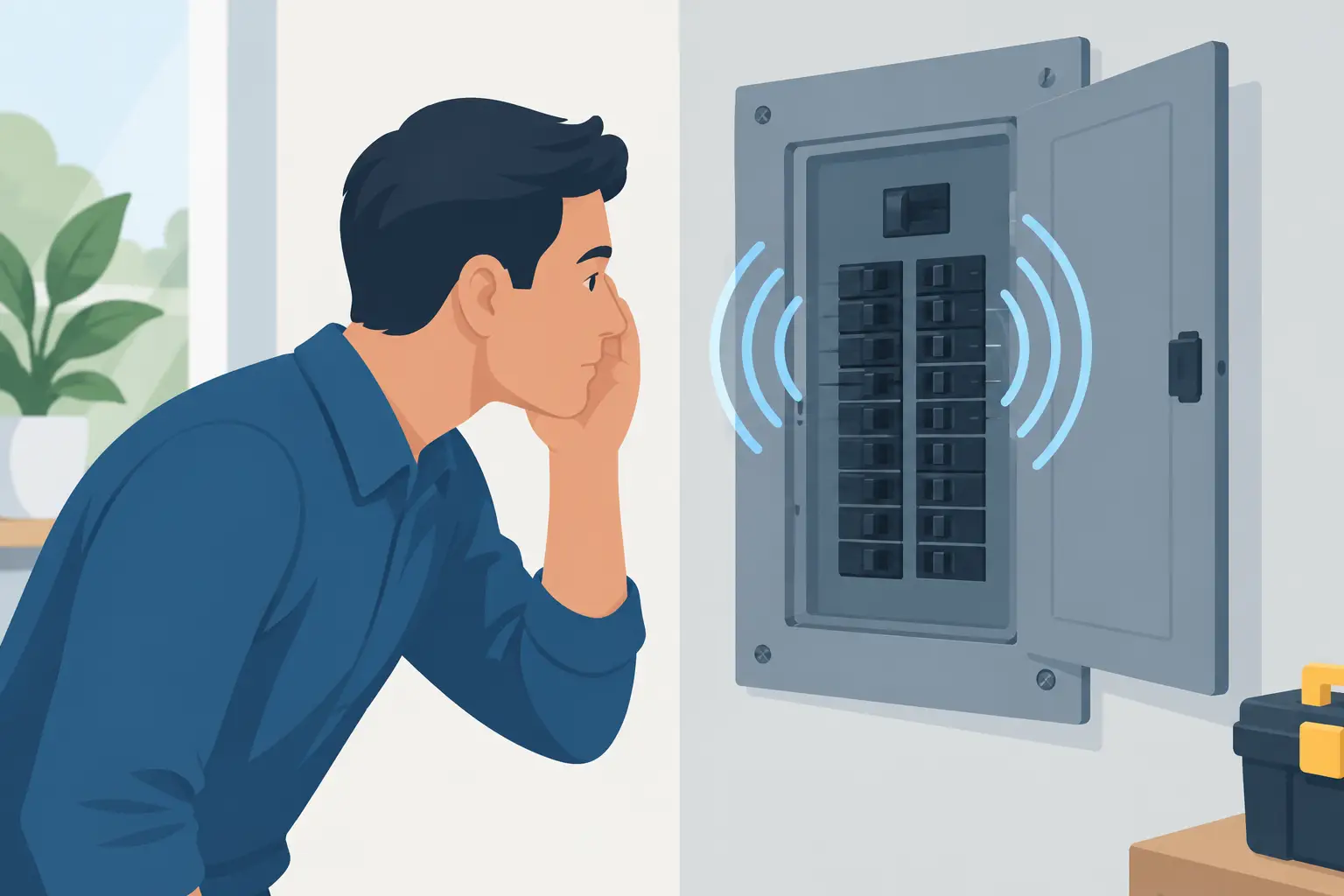
Repeated breaker trips are one of the clearest warning signs, particularly when they occur under normal production, kitchen, HVAC, office, or retail loads. A breaker is designed to interrupt power when it detects a fault or overload. Resetting it repeatedly without identifying the cause can conceal a serious condition rather than solve it.
Other concerns can be less obvious. A facility may have added computers, refrigeration, machinery, EV charging, upgraded HVAC equipment, signage, or tenant improvements over several years without revisiting its electrical distribution. The electrical system may now be supporting a load profile far beyond the assumptions made when the building was constructed.
Pay attention to hot electrical odors, discolored breakers, buzzing equipment, visible corrosion, loose or unlabeled circuits, and panels with mixed breaker brands or unauthorized modifications. These conditions require professional diagnosis. They can indicate heat damage, poor connections, moisture intrusion, incompatible components, or work that does not meet manufacturer listing requirements or current safety standards.
A failed inspection is another reason to act quickly, but it should not be the first trigger for an assessment. Property managers and facility leaders benefit from reviewing electrical infrastructure before a lease turnover, renovation, equipment purchase, insurance review, or municipal inspection creates an urgent deadline.
Capacity Is More Than a Larger Amp Rating
Businesses often request a larger panel because they expect to add equipment. That may be the right answer, but capacity must be established through a formal load calculation rather than an estimate based on breaker count. Electrical loads behave differently. Continuous loads, motor loads, heating equipment, refrigeration, kitchen equipment, lighting, and electronic systems each affect the calculation in different ways.
A properly planned upgrade considers present demand and realistic future use. For example, a small medical office adding imaging equipment faces a different electrical planning problem than a retail space adding display lighting. A warehouse installing charging stations or a restaurant replacing gas equipment with electric appliances may require service-level changes, not just a new panelboard.
There is a trade-off. Designing only for current loads can reduce initial cost but limit the facility's next improvement. Oversizing every component without a defined need can spend capital where it provides little operational value. The objective is a code-compliant system with sufficient capacity, clear distribution, and room for practical growth.
Load Calculations Protect the Project
Load calculations document the electrical demand the system is expected to carry. They help determine whether the existing service can support new loads, whether conductors and overcurrent protection are correctly sized, and whether utility coordination may be necessary.
This process also identifies where operational assumptions need to be clarified. Equipment nameplates, duty cycles, hours of use, HVAC data, and planned expansion all matter. A reliable proposal should be based on verified field conditions and documented electrical requirements, not a visual estimate from the panel door.
Code Compliance and Safety Corrections
Commercial electrical work must meet the requirements of the National Electrical Code, local authority requirements, and manufacturer installation instructions. A panel upgrade often reveals related conditions that need correction before the completed system can be safely placed into service.
Grounding and bonding are common examples. These systems provide a controlled path for fault current and help protective devices operate as intended. Improper bonding, missing grounding electrode connections, damaged conductors, or incorrectly terminated neutrals can create shock and fire hazards that a new panel alone will not eliminate.
Clear labeling is also operationally significant. During an emergency, maintenance personnel need to identify the circuit serving critical equipment without guessing. Accurate directories, circuit identification, and documented panel schedules reduce response time and make future service safer.
Where the facility supports life safety systems, refrigeration, production equipment, data systems, or other critical operations, an upgrade may also require coordination with backup power, surge protection, disconnecting means, or selective equipment shutdown procedures. The correct approach depends on the building's use and the consequences of an interruption.
Planning Work Around Business Operations
Electrical upgrades can require an outage, but an outage does not have to mean uncontrolled downtime. A competent project plan begins with identifying affected systems, determining the safe outage window, communicating with building stakeholders, and sequencing the work so critical operations are addressed first.
For a retail operation, work may be scheduled outside customer hours. For a medical, industrial, or multi-tenant site, the project may require phased shutdowns and advance coordination with equipment vendors, property management, and the utility. If existing conditions are uncertain, contingency planning matters. Older buildings can contain undocumented circuits, concealed damage, or service equipment that requires additional correction once opened.
A lower bid that assumes a simple swap may appear attractive until the contractor encounters these conditions without a documented plan. Commercial work should account for permits, inspections, equipment lead times, shutdown procedures, restoration testing, and clear responsibility for coordination. This is how operational disruption is controlled rather than merely hoped away.
What to Expect From a Professional Assessment
A thorough commercial panel assessment starts with field verification. The electrician reviews the panel condition, equipment ratings, service and feeder sizes, breaker configuration, grounding and bonding, available capacity, load characteristics, and visible safety concerns. The review should also consider planned renovations and equipment additions, not just the problem reported that day.
The resulting scope should clearly explain what is being replaced, what code corrections are included, what outage is anticipated, and what conditions could affect the schedule or final design. Documentation is not paperwork for its own sake. It provides a record of the system condition, supports inspection coordination, and gives owners a dependable reference for future maintenance or expansion.
M&S Electric performs commercial electrical work with licensed accountability under Alabama License AL #09426, using NEC-based standards and detailed field evaluation to protect facilities from preventable electrical risk.
Commercial Panel Upgrades Are an Asset Protection Decision
A properly designed panel upgrade improves more than electrical capacity. It creates safer fault protection, clearer circuit organization, better support for modern equipment, and a more defensible compliance position for the property. It can also reduce the operational uncertainty that comes from relying on aging equipment and repeatedly resetting breakers to keep the day moving.
The right time to evaluate a panel is before the next expansion, inspection, or unexpected shutdown forces a rushed decision. If your facility is showing warning signs or preparing for new electrical demand, schedule a qualified assessment and make the next improvement from verified conditions, not assumptions.


Comments