
What an NEC Compliance Inspection Verifies

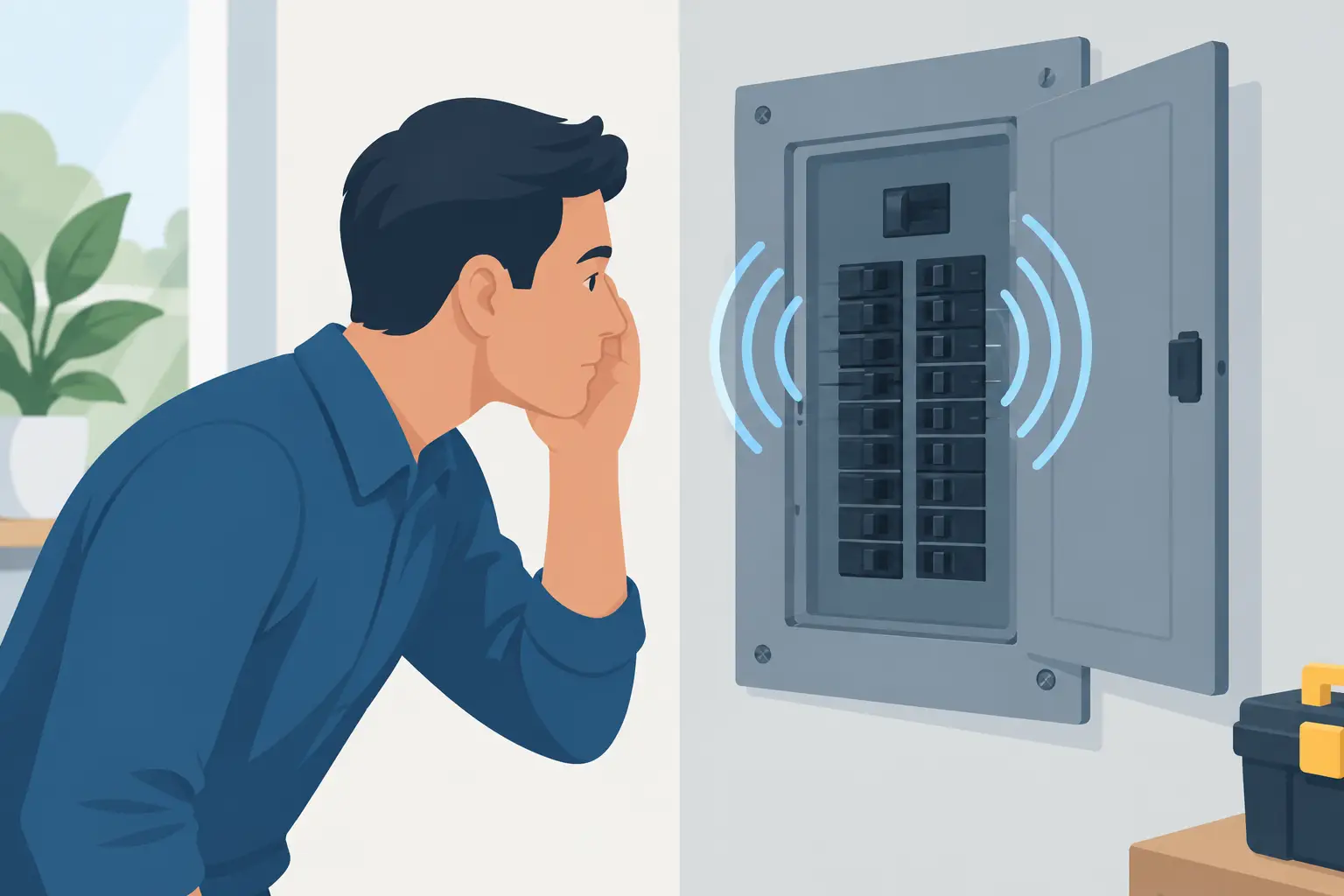
A breaker panel can appear orderly and still contain conditions that put people, property, and daily operations at risk. An NEC compliance inspection examines the electrical system behind the cover plates, inside enclosures, and across connected equipment to identify hazards, code deficiencies, and performance concerns before they become a failed inspection, equipment loss, shock incident, or fire.
For North Alabama homeowners, business owners, and facility managers, this is not a cosmetic review. It is a disciplined evaluation of whether an electrical system is properly installed, protected, labeled, grounded, and capable of serving its intended load.
What an NEC Compliance Inspection Verifies
The National Electrical Code establishes minimum standards for safe electrical installation. It addresses the practical details that determine whether a system can contain faults, prevent overheating, protect people from shock, and support connected equipment without unstable operation.
A professional inspection evaluates conditions against the applicable code requirements, along with local municipal rules and the scope of the property. The current NEC is not automatically applied to every older building in every situation. Local adoption dates, permit requirements, the age of the installation, and whether new work is planned all matter. However, known safety hazards should never be ignored simply because an installation is older.
The inspection typically begins at the service equipment and follows power through panels, feeders, branch circuits, receptacles, lighting, grounding components, and major equipment connections. For commercial properties, it may also include distribution equipment, disconnects, emergency systems, dedicated circuits, and areas where electrical reliability affects operations.
Service equipment and panel condition
The electrical panel is the system's control center. An inspection verifies that it is accessible, correctly installed, properly enclosed, and free of visible damage, corrosion, overheating, or unsafe modifications. The panel directory should accurately identify circuits, and breakers must be sized and matched appropriately for the equipment they protect.
Common concerns include double-tapped terminals where equipment is not rated for them, open panel knockouts, missing filler plates, unsupported cables, improper breaker types, and evidence of heat damage. A panel can continue operating with these conditions, but operation is not the same as safety or compliance.
Inspectors also assess available capacity. A panel that was sufficient for an original home or small business may be overloaded after HVAC additions, workshop equipment, commercial refrigeration, EV charging, expanded lighting, or tenant improvements. Load calculations help determine whether an upgrade is necessary rather than relying on assumptions.
Grounding, bonding, and fault protection
Grounding and bonding are often misunderstood because much of the system is out of sight. Their purpose is direct: provide a controlled path for fault current and help protective devices respond quickly when a dangerous condition occurs.
An inspection reviews grounding electrode connections, grounding conductors, bonding at service equipment, and separation of neutrals and grounds in downstream panels. Incorrect neutral-ground connections in a subpanel, for example, can create objectionable current on metal components and introduce shock risk.
Required protective devices are another priority. Ground-fault circuit interrupter protection is commonly required in locations where water and electricity can meet, including bathrooms, kitchens, garages, exterior areas, crawl spaces, and many commercial locations. Arc-fault protection may also be required for applicable residential circuits. The exact requirements depend on the code edition in force and the work being performed, but nonfunctioning or missing protection deserves prompt attention.
Wiring methods, boxes, and terminations
Electrical failures frequently begin at a loose connection, damaged conductor, overloaded circuit, or improperly supported cable. During an NEC compliance inspection, the contractor reviews accessible wiring methods for physical damage, improper splices, exposed conductors, missing junction box covers, inadequate box fill, and connections that are not properly contained.
Every splice must be made in an approved, accessible enclosure. A concealed splice above a ceiling or behind a wall may seem minor, yet it makes future service difficult and can conceal a heat-producing connection. Similarly, extension cords and power strips are temporary tools, not permanent substitutes for adequate receptacles or dedicated circuits.
In commercial spaces, wiring evaluations should account for the actual use of the building. A circuit that serves a reception area may not be suitable for added workstation loads, appliances, production equipment, or point-of-sale systems. Stable electrical infrastructure starts with circuits that match the load they are expected to carry.
When an Inspection Is Worth Scheduling
A compliance inspection is particularly valuable when a property is changing hands, a renovation is planned, a panel upgrade is being considered, or an insurer, lender, or authority having jurisdiction requests documentation. It is also appropriate when there are warning signs: recurring breaker trips, flickering lights, warm receptacles, buzzing panels, burning odors, frequent equipment failures, or outlets that no longer hold plugs securely.
Older properties deserve special attention. Aluminum branch wiring, ungrounded receptacles, fuse-based service equipment, outdated panels, deteriorated cloth insulation, and unpermitted additions can require a more detailed review. Not every older component requires immediate replacement, but the property owner needs a clear assessment of active risks, practical repair options, and conditions that could complicate future work.
For businesses, inspections can reduce unplanned downtime. A failed disconnect, overloaded panel, or neglected distribution issue can interrupt production, disrupt customer service, damage sensitive equipment, and expose the business to liability. Planned correction is almost always easier to manage than an emergency shutdown.
What the Inspection Process Should Produce
A meaningful inspection produces more than a verbal statement that the system looks acceptable. The findings should be documented clearly enough for a homeowner, manager, contractor, or facility decision-maker to understand what was observed and what action is recommended.
The report should distinguish between immediate safety concerns, code-related deficiencies, maintenance items, and upgrades that improve capacity or reliability. This distinction matters. A missing panel cover demands faster action than a recommendation to add capacity for future expansion. Both may be worthwhile, but they do not carry the same urgency.
Photographs, panel schedules, load information, and corrective recommendations can provide a useful record for property files, permitting discussions, insurance questions, and future service. Documentation is especially valuable in commercial settings where multiple parties are responsible for operations, maintenance, and capital improvements.
Correcting Findings Without Creating New Problems
Electrical corrections should be planned around the condition found, the adopted code requirements, and the intended use of the space. Replacing a receptacle, adding GFCI protection, repairing damaged wiring, installing a properly sized circuit, or upgrading a panel may be straightforward. Larger corrections may require permits, coordination with the utility, planned shutdowns, or phased work to keep a business operating.
There are trade-offs. A partial repair may address an immediate hazard, while a broader upgrade may provide better long-term reliability and reduce repeat service calls. In a residence, the right decision may depend on renovation plans, future electrical demand, and the capacity of the existing service. In a commercial facility, the decision often depends on operational risk, equipment needs, and the cost of scheduled downtime versus an unexpected outage.
The key is to avoid temporary fixes that hide the underlying problem. Repeated breaker replacement, oversized breakers, improvised connections, and overloaded power strips do not solve an electrical capacity or wiring defect. They increase the chance that a protective device will fail to do its job when needed.
Why Licensed Local Evaluation Matters
NEC requirements must be applied to the actual system in front of the contractor, not treated as a checklist disconnected from the property. Local inspection practices, municipal requirements, permit procedures, and regional construction conditions affect how work should be documented and completed.
M&S Electric performs safety-focused evaluations and corrective work with licensed contractor accountability under Alabama License AL #09426. For properties in Florence, Muscle Shoals, Sheffield, Tuscumbia, Athens, Decatur, and surrounding service areas, a professional review can establish a clear path from uncertainty to compliance-verified electrical performance.
If your electrical system has changed, shown warning signs, or simply has not been evaluated in years, schedule the inspection before the next failure forces the decision. A documented condition assessment gives you the facts needed to protect the people and equipment that depend on your power every day.


Comments