
Essential Commercial Electrical Safety Practices

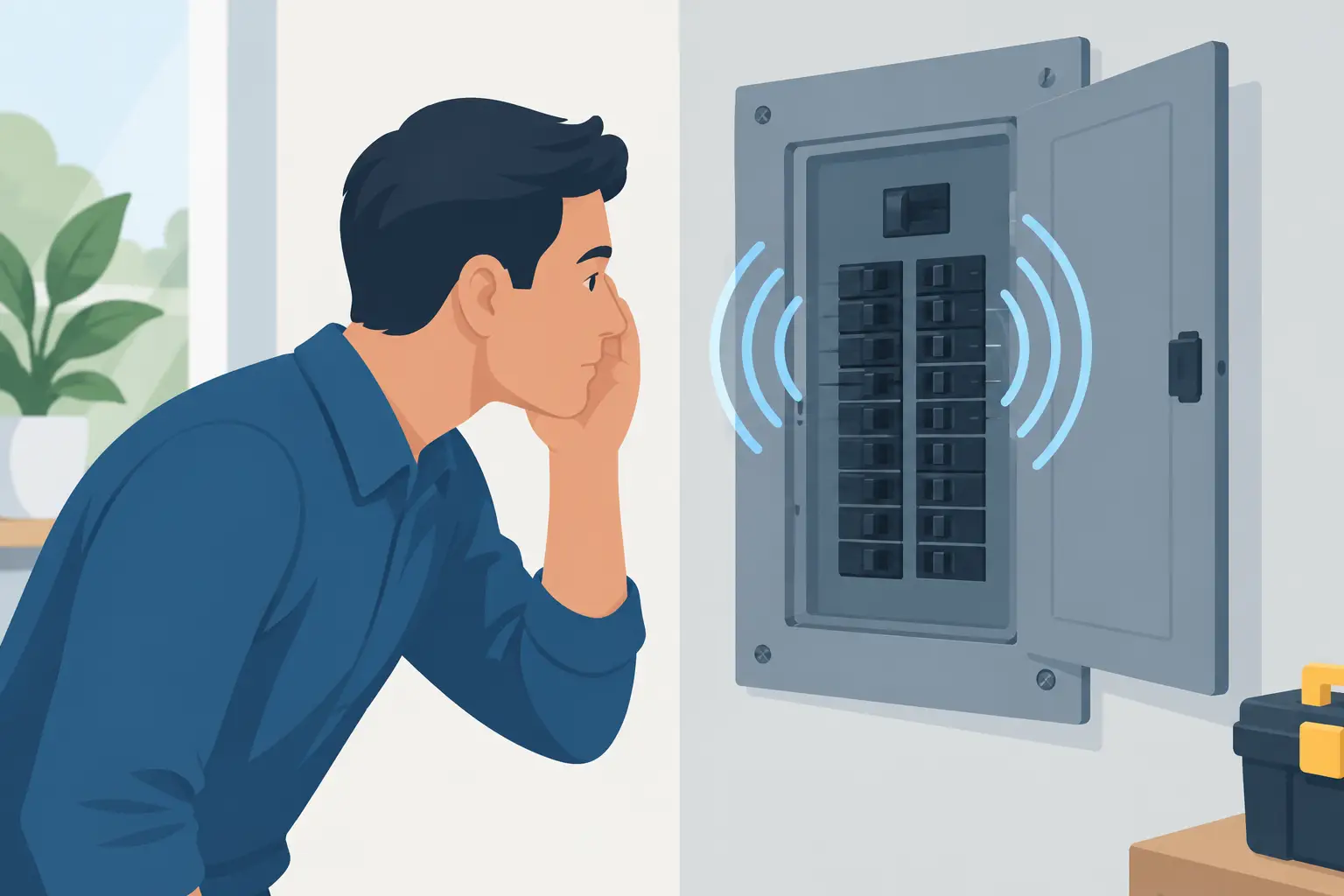
A tripped breaker in a retail space, office, restaurant, or production area is rarely just an inconvenience. It can signal overloaded equipment, deteriorated connections, water intrusion, or a fault that may escalate into equipment damage, fire risk, employee injury, and lost operating time. Essential commercial electrical safety practices give business owners and facility managers a controlled way to identify those conditions before they disrupt the building.
Commercial electrical safety is not achieved by reacting quickly after a failure. It depends on documented inspections, appropriate protective devices, qualified electrical work, and clear operating procedures. The right approach will vary by facility load, occupancy, equipment, and local code requirements, but the objective remains the same: maintain a stable electrical system that protects people and supports continuous operations.
Start With a Documented Electrical Safety Baseline
A commercial facility needs an accurate picture of its electrical infrastructure before it can be managed safely. That starts with a professional assessment of service equipment, panels, feeders, branch circuits, grounding and bonding, disconnects, emergency systems, and the condition of visible wiring.
Panel schedules deserve particular attention. A panel labeled with vague notes such as “back room,” “lights,” or “unknown” creates unnecessary risk during maintenance and emergencies. Each circuit should be identified accurately, and changes to tenant spaces, equipment, or layout should be reflected in the documentation. A current one-line diagram may also be appropriate for larger or more complex facilities.
The assessment should compare existing conditions against applicable National Electrical Code requirements and the authority having jurisdiction. Code compliance is not a one-time label. A building that met requirements years ago may now have added loads, altered spaces, aging components, or equipment that changes the safety profile.
Control Electrical Loads Before They Become Failures
Many commercial electrical problems begin with gradual load growth. A new bank of computers, refrigeration equipment, space heaters, production machinery, EV charging, or tenant-installed devices can push circuits and panels beyond the conditions for which they were designed.
Overloaded circuits do not always fail immediately. They may run warm, trip intermittently, or cause voltage drop that shortens equipment life. Repeated breaker trips are especially significant. Resetting a breaker without determining why it opened can place people and property at greater risk. A breaker is a protective device, not a switch that should be forced back into service repeatedly.
Facility managers should review electrical capacity whenever operations change. This includes remodels, equipment replacements, expansions, and changes in occupancy. Load calculations and field verification can determine whether the existing service and distribution equipment can support the new demand or whether a panel upgrade, dedicated circuit, or service modification is required.
Temporary power deserves the same discipline. Extension cords and power strips may serve a limited, temporary purpose when selected and used correctly, but they are not a substitute for permanent branch-circuit wiring. Daisy-chained strips, cords routed through doors or under carpet, and overloaded multi-outlet devices are common sources of overheating and trip hazards.
Keep Panels, Disconnects, and Electrical Rooms Accessible
Electrical equipment must remain accessible for safe operation and service. Storage placed in front of panels, blocked disconnects, locked equipment without authorized access, or poorly lit electrical rooms can delay emergency response and expose personnel to avoidable danger.
Maintain required working space around electrical panels and disconnects. Keep the area clear of cartons, janitorial supplies, combustible materials, and unrelated storage. Electrical rooms should not become general storage rooms simply because space is limited elsewhere in the building.
Equipment labels must remain legible and appropriate. Warning labels, disconnect identification, panel directories, and equipment ratings help qualified personnel make informed decisions under pressure. If a label is missing, damaged, or inconsistent with the actual installation, correct it as part of the maintenance process.
Maintain Grounding, Bonding, and Surge Protection
Grounding and bonding are often invisible once an installation is complete, but they are fundamental to fault clearing and shock protection. Proper bonding creates an effective path for fault current so overcurrent protective devices can operate as intended. Improper or deteriorated connections can leave exposed metal components at dangerous voltage during a fault.
Commercial maintenance should include evaluation of grounding electrode systems, bonding jumpers, equipment grounding conductors, and connections affected by corrosion, vibration, renovations, or equipment replacement. In facilities with sensitive electronics, controls, point-of-sale systems, network hardware, or variable-speed equipment, power quality and surge protection should also be reviewed.
Surge protective devices cannot correct every electrical problem, and they do not replace grounding or proper circuit design. They can, however, reduce exposure to transient voltage events that damage electronic equipment. The correct placement and rating depend on the service configuration, downstream equipment, and operational needs.
Use Qualified Personnel and Written Work Controls
Commercial electrical work should be performed by qualified, properly licensed professionals. This includes more than major construction. Replacing a breaker, modifying a panel, adding receptacles, troubleshooting recurring faults, or changing a disconnect can affect available fault current, conductor protection, grounding continuity, and code compliance.
Employees who are not qualified electrical workers should not open panels, defeat interlocks, bypass protective devices, or attempt repairs with improvised methods. Their role should be to recognize warning signs, secure the area when necessary, and report the condition through a defined process.
For work near energized equipment, establish written controls that match the hazard. Depending on the task, this may include equipment shutdown, lockout/tagout procedures, verification of absence of voltage, appropriate personal protective equipment, and restricted access to the work area. De-energizing equipment is generally the safer path when the work can be performed that way. Where energized work is justified, the decision requires trained personnel, planning, and hazard-specific safeguards.
Treat Heat, Water, and Damage as Immediate Warning Signs
Electrical failures often leave evidence before a complete outage occurs. Warm outlet covers, hot panel doors, buzzing equipment, flickering lights, burning odors, discoloration, corrosion, cracked enclosures, and recurring shocks or tingling sensations all warrant prompt investigation.
Water changes the urgency. Leaks above electrical panels, flooded mechanical rooms, moisture inside outdoor equipment, and condensation near electrical components can create shock and fire hazards. Do not assume equipment is safe because it is still operating. Isolate the affected area when possible and have a qualified electrician assess the condition before returning it to normal service.
Thermal imaging can be a useful maintenance tool for identifying abnormal heat at breakers, terminations, disconnects, and bus connections. It is most valuable when performed under meaningful load conditions and interpreted alongside physical inspection and electrical testing. A hot connection may indicate looseness, corrosion, overload, or component deterioration, each requiring a different corrective action.
Build Inspection and Maintenance Into Operations
The best inspection interval depends on the facility. A lightly used professional office has different demands than a restaurant, medical practice, warehouse, multi-tenant property, or manufacturing operation. High-load, high-moisture, high-vibration, or continuously operating environments generally need more frequent attention.
A useful maintenance record captures inspection dates, observed conditions, repairs completed, test results, panel-directory updates, and recommendations for future work. This documentation supports budgeting, helps identify recurring faults, and provides operational proof that electrical safety is being actively managed.
After a renovation, equipment installation, storm event, or major outage, schedule a targeted review rather than waiting for the next routine inspection. Changes in electrical demand and physical conditions are when hidden deficiencies often become visible.
Prepare Staff for Electrical Emergencies
Employees should know whom to contact and what not to do when electrical trouble occurs. A basic response procedure should address smoke or fire at electrical equipment, water near energized components, damaged cords, loss of power to critical systems, and a person who may have received an electrical shock.
Staff should not touch a person who is still in contact with an energized source. Emergency services and qualified responders should be contacted immediately, and the source should only be disconnected if it can be done without creating another hazard. For electrical fires, use the facility’s approved emergency procedures and appropriate fire extinguishing equipment. Never use water on energized electrical equipment.
For businesses in Florence, Muscle Shoals, Sheffield, Tuscumbia, Athens, or Decatur, a licensed local contractor can provide inspections, corrective repairs, panel assessments, and emergency fault response when conditions cannot wait. M&S Electric performs this work with NEC-based standards, documented findings, and Alabama licensed contractor accountability.
Electrical safety is strongest when it becomes part of facility operations rather than a response to the next outage. A clear panel directory, an accessible disconnect, a properly sized circuit, and a documented inspection may seem routine, but those controls protect the people and work that depend on your building every day.


Comments